Kurš datēja Giulia Farnese?
Alexander VI datēja Giulia Farnese no ? līdz ?.
Giulia Farnese
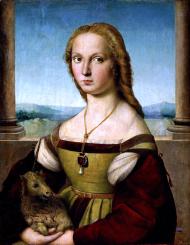
Giulia Farnese (Italian pronunciation: [ˈdʒuːlja farˈneːze, -eːse]; 1474 – 23 March 1524) was an Italian noblewoman, a mistress to Pope Alexander VI, and the sister of Pope Paul III. Known as Giulia la Bella (Italian for 'Julia the Beautiful'), she was a member of the noble Farnese family, who were prominent leaders in the Italian regions of Parma and Piacenza. After marrying into the noble Orsini family in the Papal States, Farnese soon acquainted herself with, and initiated an affair with, the Spanish Cardinal Rodrigo Borgia. When the cardinal was elected Pope, Farnese continued the increasingly advantageous liaison, which enabled her to have her brother Alessandro made a cardinal, until losing Alexander's favor at the turn of the century.
Farnese spent most of her later years governing the castle of Carbognano, previously a property which Alexander had given to her husband. She died in 1524 in Rome at the residence belonging to Alessandro, who would later be elected Pope Paul III.
Lorenzo Pucci described her as "most lovely to behold". Cesare Borgia, the son of Alexander VI, described her as having "dark colouring, black eyes, round face and a particular ardor".
Lasīt vairāk...Alexander VI
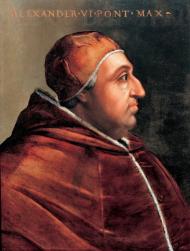
Aleksandrs VI, īstajā vārdā Roderiks Bordža (valensiešu: Roderic Llançol i de Borja, itāļu: Rodrigo Borgia, dzimis 1431. gada 1. janvārī, miris 1503. gada 18. augustā), bija Romas pāvests no 1492. līdz 1503. gadam.
Bija viens no renesanses laikmeta apstrīdamākajiem pāvestiem (izcēlās ar neslēptu tieksmi uz zeltu, dārglietām, kāršu spēli un sievietēm). Kā cilvēks Aleksandrs VI bija gudrs, viltīgs, godkārīgs, neuzticīgs, izvirtis un baudkārs.
Viņš bez žēlastības lika kā ķeceri sadedzināt dominikāņu mūku un sprediķotāju Savonarolu (1498), kas atmaskoja pāvesta Aleksandra VI un laicīgo valdnieku izlaidīgo dzīvesveidu. Aleksandrs VI tirgoja baznīcas amatus, palielināja savus ienākumus ar jubilejas gada indulgencēm (1500). Baznīcas interešu vietā viņš aizstāvēja Bordžas ģimenes politiku.
No viņa pēcnācējiem zināmi Čezāre un Lukrēcija Bordža.
Lasīt vairāk...