Kurš datēja Orsons Velss?
Oja Kodar datēja Orsons Velss no ? līdz ?.
Dolores del Río datēja Orsons Velss no līdz . Vecuma starpība bija 10 gadus, 9 mēnešus un 3 dienas.
Orsons Velss
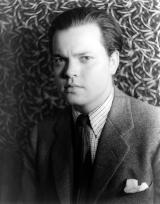
Džordžs Orsons Velss (angļu: George Orson Welles; dzimis 1915. gada 6. maijā, miris 1985. gada 10. oktobrī) bija amerikāņu aktieris, kinorežisors, rakstnieks, producents.
Sākotnēji darbojies teātrī, paralēli arī kā radio iestudējumu režisors. Vēsturē iegājis O. Velsa veidotais Herberta Velsa fantastikas romāna "Pasauļu karš" inscenējums CBS kanālā 1938. gadā, kas bija ieturēts reālistiskas radiopārraides stilā. Daudzi klausītāji kā patiesu uztvēra informāciju par citplanētiešu uzbrukumu, kas izraisīja paniku ASV ziemeļaustrumos (pārraidi klausījās ap 6 miljoniem cilvēku).
O. Velss ticis atzīts par savu inovatīvo dramatisko producēšanu, kā arī īpatnējo balsi un personību. Kinorežisora karjeras laikā režisēja vienīgi 13 pilnmetrāžas filmas, taču viņa pirmā filma — 1941. gadā izlaistā "Pilsonis Keins" tiek uzskatīta par vienu no izcilākajām un inovatīvākajām filmām kino vēsturē. Citas ievērojamākās filmas ir "Lieliskie Ambersoni" (1942), "Svešinieks" (1946), "Lēdija no Šanhajas" (1947), "Ļaunuma pieskāriens" (1958), "Process" (1962), Chimes at Midnight (1965) un F for Fake (1974). 2002. gadā O. Velss tika atzīts par visu laiku izcilāko kinorežisoru divās dažādās Britu filmu institūta aptaujās, kurās piedalījās režisori un kritiķi.
Lasīt vairāk...Oja Kodar
Oja Kodar ( OY-ə KOH-dar; born Olga Palinkaš; 1941) is a Croatian actress, screenwriter and director known as Orson Welles's romantic partner and mistress during the later years of his life.
Lasīt vairāk...Orsons Velss
Dolores del Río

María de los Dolores Asúnsolo y López Negrete (3 August 1904 – 11 April 1983), known professionally as Dolores del Río (Spanish pronunciation: [doˈloɾes del ˈri.o]), was a Mexican actress. With a career spanning more than 50 years, she is regarded as the first major female Latin American crossover star in Hollywood. Along with a notable career in American cinema during the 1920s and 1930s, she was also considered one of the most important female figures in the Golden Age of Mexican cinema, and one of the most beautiful actresses of her era.
After being discovered in Mexico, she began her film career in Hollywood in 1925. She had roles in a string of successful films, including Resurrection (1927), Ramona (1928) and Evangeline (1929). Del Río came to be considered a sort of feminine version of Rudolph Valentino, a ‘female Latin Lover’, in her years during the American silent era.
With the advent of sound, she acted in a range of film genres, from contemporary crime melodramas to musical comedies and romantic dramas. Her most successful films of that decade include Bird of Paradise (1932), Flying Down to Rio (1933) and Madame Du Barry (1934). In the early 1940s, when her Hollywood career began to decline, Del Río returned to Mexico and joined the Mexican film industry, which at that time was at its peak, during the Golden Age of Mexican Cinema.
When Del Río returned to her native country, she became one of the more important stars of the Golden Age of Mexican cinema. A series of Mexican films starring Del Rio are considered classic masterpieces and helped boost Mexican cinema worldwide. Of them stands out the critically acclaimed María Candelaria (1943). Del Río remained active mainly in Mexican films throughout the 1950s. In 1960 she returned to Hollywood. During the next years she appeared in Mexican and American films. From the late 1950s until the early 1970s she also successfully ventured into theater in Mexico and appeared in some American TV series.
Del Río is considered a quintessential representation of the female face of Mexico in the world.
Lasīt vairāk...